You just survived a weeks-long renovation. The drywall dust is settled-literally everywhere-and the contractor has finally packed up their tools. Walking through your newly remodeled space should feel triumphant, but instead, you’re staring at a fine layer of chalky plaster coating your light switches, windowsills, and baseboards like fresh snowfall.
Regular domestic cleaning won’t touch this kind of mess. Post-construction dust is microscopic, toxic if inhaled in large quantities, and stubbornly clings to vertical surfaces. If you try to wipe it away with a damp cloth right out of the gate, you’ll just smear it into a permanent, streaky paste.
What Is After Builders Cleaning? (Direct Answer)
After builders cleaning is a specialized, heavy-duty cleaning service performed once construction, remodeling, or renovation work is complete. Unlike standard house cleaning, which focuses on surface dirt and daily clutter, after builders cleaning targets construction debris, fine plaster dust, paint splatters, adhesive residue, and industrial grime. It utilizes specialized HEPA-filtration equipment, scraper tools, and professional chemical solvents to render a newly built or remodeled property safe, sanitary, and move-in ready.
Why Standard Cleaning Fails After Construction
Most people make the mistake of hiring a regular house cleaner or tackling the job with a standard household vacuum and all-purpose spray. Here is why that backfires:
- The Dust Particle Size: Construction dust is primarily made of silica, gypsum, and drywall particles. These particles are tiny enough to bypass standard vacuum filters and get blown right back out into the air, settling back onto your freshly cleaned furniture.
- Aggressive Residues: Silicone sealant smudged on glass, polyurethane drops on hardwood floors, and mortar splatters on brick require targeted chemical agents or razor scraping that standard cleaners are neither insured nor equipped to handle.
- Surface Protection: Using the wrong cleaning pad or abrasive sponge on high-end finishes-like quartz countertops, matte black fixtures, or soft timber-can permanently scratch or dull expensive materials.
The Ultimate After Builders Cleaning Checklist
Whether you are hiring professionals or rolling up your sleeves for a massive weekend project, a structured approach is essential. A proper post-construction clean moves in a top-to-bottom, dry-to-wet progression.
Phase 1: Dry Dusting and Debris Removal
- Clear the Heavy Debris: Remove any leftover packaging, scrap wood, offcuts, and tape left behind by tradespeople.
- High-Level Dusting: Dust ceiling fans, light fixtures, top moldings, and high HVAC vents using extension poles and microfiber cloths.
- Wall and Ceiling Wipe-Down: Dry-mop or vacuum walls and ceilings to pull down trapped drywall dust before introducing any moisture.
Phase 2: Deep Cleaning Windows and Frames
- Remove Stickers and Tape: Peel back protective plastic film from window frames and glass. Use a safe solvent to dissolve stubborn adhesive residue.
- Scrape Paint and Plaster: Carefully use a glass scraper at a 45-degree angle with soapy water to lift paint droplets off windowpanes without scratching the glass.
- Track Cleaning: Vacuum and wipe out sliding door tracks and window sills where grit loves to hide.
Phase 3: Detailed Surface Cleaning (The Wet Wash)
- Doors and Hardware: Wipe down interior doors, handles, hinges, door frames, and light switch plates.
- Cabinetry (Inside and Out): Vacuum out drawers and kitchen cabinets before wiping down shelves, doors, and exterior faces. Sawdust always finds its way inside closed cabinets.
- Baseboards and Trim: Wipe down every inch of skirting board and decorative molding.
Phase 4: Floor Care and Final Air Scrubbing
- HEPA Vacuuming: Vacuum all floors-especially carpets and corners-using a commercial vacuum equipped with a HEPA filter to trap ultra-fine particulate matter.
- Hard Floor Mopping: Wash tile, vinyl, or hardwood floors using appropriate pH-neutral cleaners to dissolve lingering film without harming the finish.
- Air Quality Check: Run an air purifier or HVAC system with fresh filters to capture remaining airborne dust.
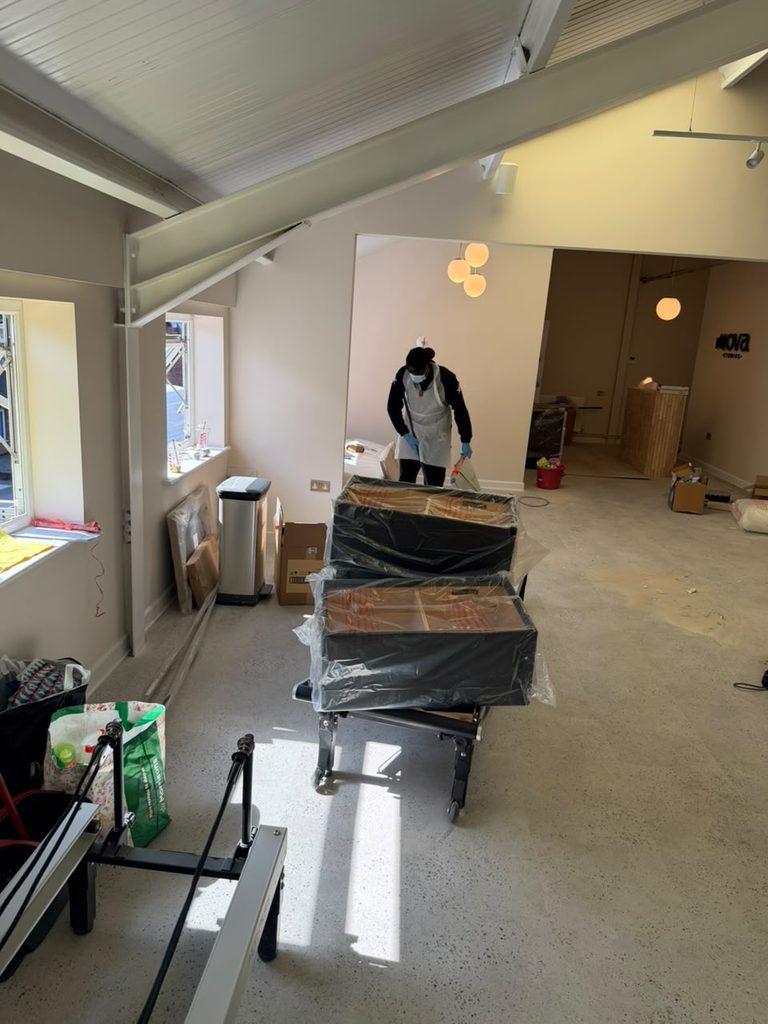
What Professional After Builders Cleaners Actually Do
If you decide to outsource the chaos, understanding what is included prevents miscommunication with cleaning crews.
Most professional teams break their work into two distinct stages if the project is large:
- The Builder’s Clean (Rough Clean): Usually happens right after heavy construction wraps. It clears bulk debris, removes protective coverings, and gets the property safe for final inspections or painting touch-ups.
- The Sparkle Clean (Deep Final Clean): Happens right before you move in or list the property. This is the microscopic polish—streak-free glass, sanitized bathrooms, polished fixtures, and immaculate floors.
Note: Most standard after builders cleaning quotes do not include exterior window cleaning above ground floor, carpet shampooing (though it can be added as an extra), or hazardous waste removal like asbestos or heavy industrial chemical drums.
4 Common After Builders Cleaning Mistakes to Avoid
Skipping steps during post-construction cleanup can cost you time and money. Watch out for these pitfalls:
- Wiping walls too early: Wiping freshly painted or unsealed plaster walls with a wet rag will strip the paint or leave water stains. Always dry-dust walls first.
- Using household vacuums: Sucking up fine drywall dust with a standard domestic vacuum cleaner will clog the motor, burn out the appliance, and blow dust back into the air.
- Skipping the HVAC filters: If you don’t replace your furnace or air conditioning filters after a renovation, your system will continuously circulate construction dust through the house every time it turns on.
- Scraping dry glass: Never dry-scrape glass or delicate surfaces. Always lubricate with soapy water or glass cleaner to float debris away without scratching.
Frequently Asked Questions
How much does after builders cleaning cost?
Pricing typically depends on the property size, the extent of the mess, and your location. Most professional cleaning companies charge either an hourly rate (ranging from $30 to $60 per cleaner per hour) or provide a flat-rate quote based on square footage and bedroom count. Larger residential projects often range anywhere from $300 to over $1,000.
Can I do after builders cleaning myself?
Yes, if it’s a minor renovation like a single bathroom remodel or a small kitchen update. However, for whole-house renovations or major extensions, DIY cleaning is exhausting, takes days longer than expected, and usually requires renting commercial equipment like HEPA vacuums and heavy-duty scrapers.
When should the after builders clean happen?
Schedule the clean after all heavy construction, drywall sanding, painting touch-ups, and flooring installations are fully completed. If other contractors are still walking through the house with muddy boots or sanding drywall while cleaners are working, you’ll end up with a double-cleaning bill.
Does after builders cleaning include paint removal?
Yes, professional teams are equipped to remove minor paint splatters, silicone drops, and adhesive tape residue from glass, tiles, and hardwood floors using safe chemical solvents and specialized blades. However, extensive paint removal from porous surfaces like unsealed brick may require specialized restoration techniques.
How long does an after builders clean take?
For a standard 3-bedroom home, a professional team of two to four cleaners typically takes between 6 to 10 hours to complete a thorough sparkle clean. Smaller apartments might take 4 to 5 hours, while sprawling luxury estates can require a multi-day operation.
Is construction dust dangerous to breathe?
Yes. Fine dust particles from drywall (gypsum), silica (found in concrete, tile, and stone), and insulation materials can irritate your eyes, nose, and throat, and trigger asthma or chronic respiratory issues. Always wear an N95 respirator mask if you are working in an uncleaned post-construction zone.
Are contractors responsible for cleaning up after remodeling?
Most general contractors perform a basic “broom-clean” sweep of the job site before handing over the keys, meaning they remove large debris, scrap lumber, and empty packaging. However, they are rarely equipped or hired to do deep detail cleaning, which means microscopic drywall dust, window sticker residue, and paint splatters are typically left behind for you or a professional after builders cleaning crew to handle.
Conclusion
Renovating your space should be an exciting milestone, not a respiratory hazard. Whether you tackle the debris with a commercial-grade HEPA vacuum or hand the keys over to a specialized crew, giving your home a proper post-construction scrub is the only way to truly enjoy your new investment. Take your time, protect your lungs, and enjoy stepping into your newly transformed space without a speck of dust left behind.
Ready to Step Into a Spotless, Dust-Free Space Without Lifting a Finger?
Don’t let lingering drywall dust and construction grime overshadow your beautiful new renovation. Let our expert team handle the heavy lifting, professional scraping, and HEPA deep-cleaning so you can move straight into perfection.